This article is informative, NotaryPublic24 cannot help you with notarization or Apostille of this document. The ID1 form (HM Land Registry Form ID1) is a document used to verify the identity of individuals in property transactions in England and Wales, helping to prevent fraud. It is typically verified by a solicitor or Notary Public.
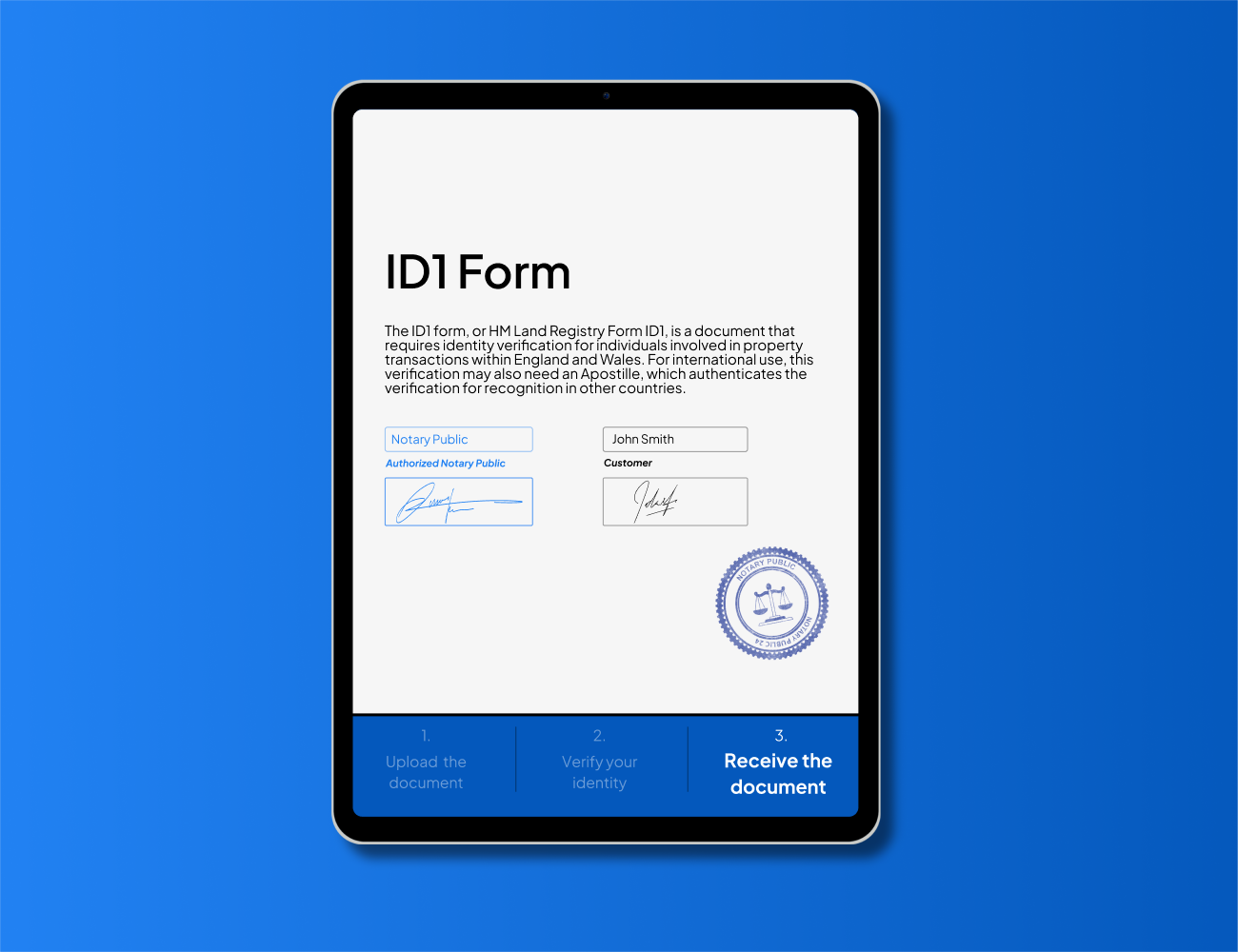
The ID1 form, officially known as the HM Land Registry Form ID1, is a crucial document used by HM Land Registry to verify the identity of individuals involved in property transactions in England and Wales. Think of it as an official way to prove who you are when you’re dealing with land or property registration. This form helps prevent property fraud by ensuring that the individuals claiming ownership or transferring land are indeed who they say they are. It’s a legal requirement in many property-related scenarios, applying to individuals who are party to a transfer, charge, or certain other types of applications being lodged with HM Land Registry.
Essentially, the HM Land Registry ID1 form requires you to provide personal details and have your identity verified by a specified professional, such as a solicitor or notary public. This verification process confirms that the information you’ve provided matches your official identification documents. So, whether you’re buying, selling, mortgaging, or making certain other changes to your property ownership details, you might encounter the need to complete an ID1 form.
The ID1 form is a critical document in UK property transactions. It serves as proof of identity for anyone submitting certain applications to HM Land Registry without being represented by a solicitor or conveyancer. Completing the form correctly is essential to protect against identity fraud and ensure your application is accepted.

NotaryPublic24 cannot help with the ID1 form. Here is the usual process if you need to complete one:
Download the official ID1 form directly from the HM Land Registry website.
Visit a solicitor, conveyancer, or qualified Notary Public in England or Wales who is authorised to witness the form and verify your identity.
Send the completed and witnessed form to HM Land Registry along with the relevant application and supporting documents.

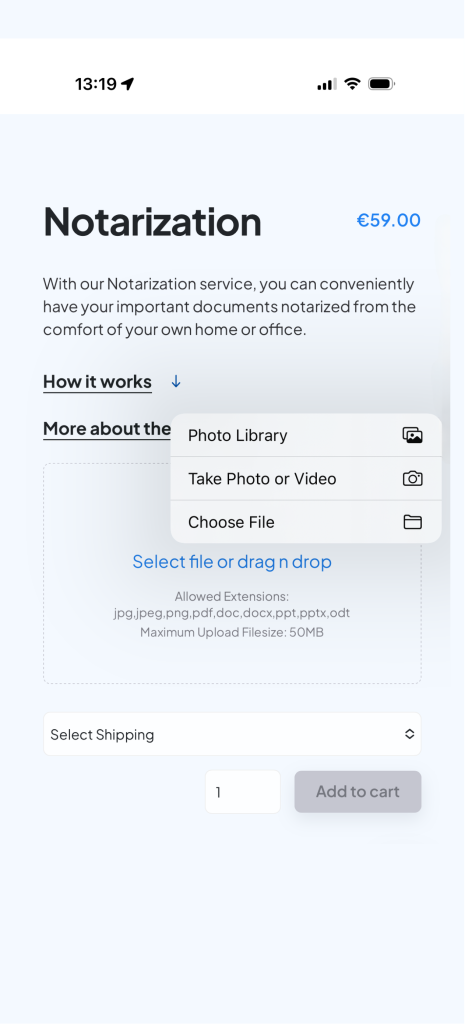
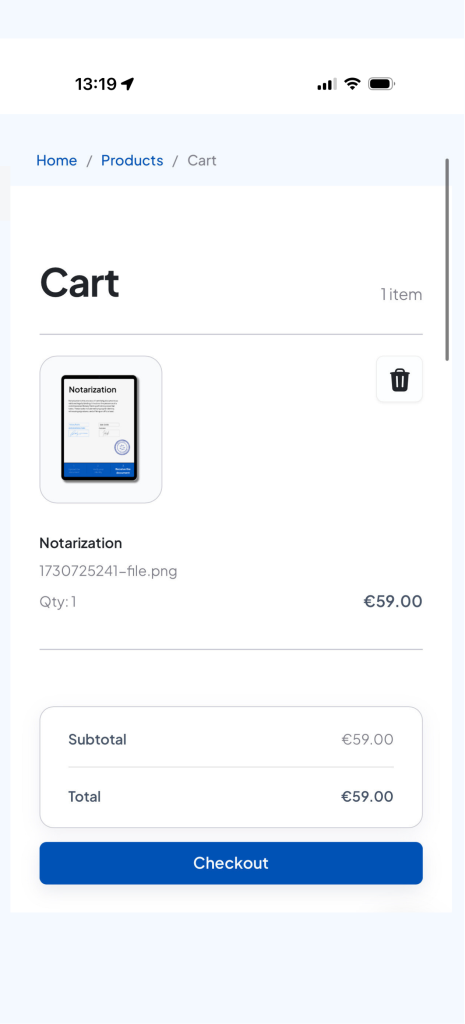

Traditionally, obtaining an ID1 form involved contacting a solicitor or a notary public. They would guide you through the form, witness your signature, and certify your identity after reviewing your original identification documents. You would typically need to schedule an in-person appointment to complete this process.
For more detailed information about the specific requirements and to download the official HM Land Registry Form ID1, you can visit the HM Land Registry website directly. At NotaryPublic24, we offer a convenient online service to help you with the identity verification required for this form. You can easily upload your completed ID1 form and a clear image of your identification documents through our secure platform, and we’ll handle the verification process efficiently.
The ID1 form must be witnessed and signed by a qualified professional such as a solicitor, licensed conveyancer, or Notary Public. This confirms the identity of the person submitting the form to HM Land Registry. If the document is to be used abroad, an Apostille may also be required.

NotaryPublic24 cannot help you with notarization or Apostille of the ID1 form. The ID1 form must be witnessed and verified by a qualified professional in England or Wales. Please consult HM Land Registry’s guidance and contact a solicitor, licensed conveyancer, or Notary Public in your jurisdiction to complete this process.
Notarization is the official process of having a document legally verified by a notary public. A notary public is an authorized official who verifies the identities of the people signing a document and confirms that the signatures are authentic. This process makes the document legally recognized and trustworthy, helping to prevent fraud and ensuring its validity for important matters like buying a house, signing a contract, or creating a will.
An Apostille is a certificate that makes your document valid in other countries. It's like a stamp of approval that confirms your document is real and can be used in countries that are part of the Apostille Convention. This agreement between countries makes it easier to use important documents like birth certificates and marriage licenses abroad without needing any other certifications. The Apostille verifies the signatures and seals on your document, ensuring it's accepted as genuine.
A Notary Public is an authorized official who has the right to issue certain certificates. An example is the Apostille stamp. A Notary Public is authorized by the state and applies their official seal and signature to certify the documents.
The ID1 form, or HM Land Registry Form ID1, is a document used by HM Land Registry to verify the identity of individuals involved in property transactions in England and Wales. It is an official way to confirm who you are when dealing with land or property matters without a solicitor representing you. The form helps prevent fraud and ensures that only genuine parties can make changes to property records. NotaryPublic24 cannot help with ID1 form verification.
The ID1 form is signed by the individual whose identity is being verified — typically the buyer, seller, or borrower in a property transaction. The individual provides their personal details and signs the form in the presence of a qualified professional who then witnesses and verifies their identity. NotaryPublic24 cannot help with ID1 form verification.
The identity of the person signing the ID1 form must be verified by a qualified professional — traditionally a solicitor, licensed conveyancer, or Notary Public in England or Wales. They check the individual's identification documents and certify the HM Land Registry ID1 form. NotaryPublic24 cannot help with ID1 form verification.
In the context of the ID1 form, the term "witness" is generally synonymous with "verify." The identity of the person who has signed the HM Land Registry form ID1 is witnessed and verified by a qualified professional such as a solicitor, licensed conveyancer, or Notary Public in England or Wales. NotaryPublic24 cannot help with ID1 form verification.
To complete the ID1 form, provide accurate personal details as required by HM Land Registry — full name, address, and date of birth. Sign the form, then arrange to have your identity verified by a qualified professional such as a solicitor, licensed conveyancer, or Notary Public in England or Wales. NotaryPublic24 cannot help with ID1 form verification.
The ID1 form is used to verify the identity of individuals involved in land or property transactions in England or Wales. It serves as a safeguard against property fraud, ensuring that the individuals claiming ownership or transferring land are genuinely who they claim to be. It is a key part of maintaining the integrity of the land register. NotaryPublic24 cannot help with ID1 form verification.
The ID1 form is verified by a qualified professional — typically a solicitor, licensed conveyancer, or Notary Public in England or Wales. They check your identification documents and certify your identity for HM Land Registry purposes. This is usually done in person. NotaryPublic24 cannot help with ID1 form verification.
NotaryPublic24 cannot notarize or verify the ID1 form online. The ID1 form must be verified in person by a qualified professional in England or Wales.
Yes. The ID1 form must be verified in person by a qualified professional in England or Wales — remote or online verification is not accepted for this document.