An affidavit of marriage is a sworn statement confirming that a marriage exists and is genuine, signed by someone who knows the couple or by the spouses themselves. USCIS accepts third-party affidavits as evidence of a bona fide marriage with Form I-130 and Form I-751. NotaryPublic24 notarizes your signed affidavit of marriage online.
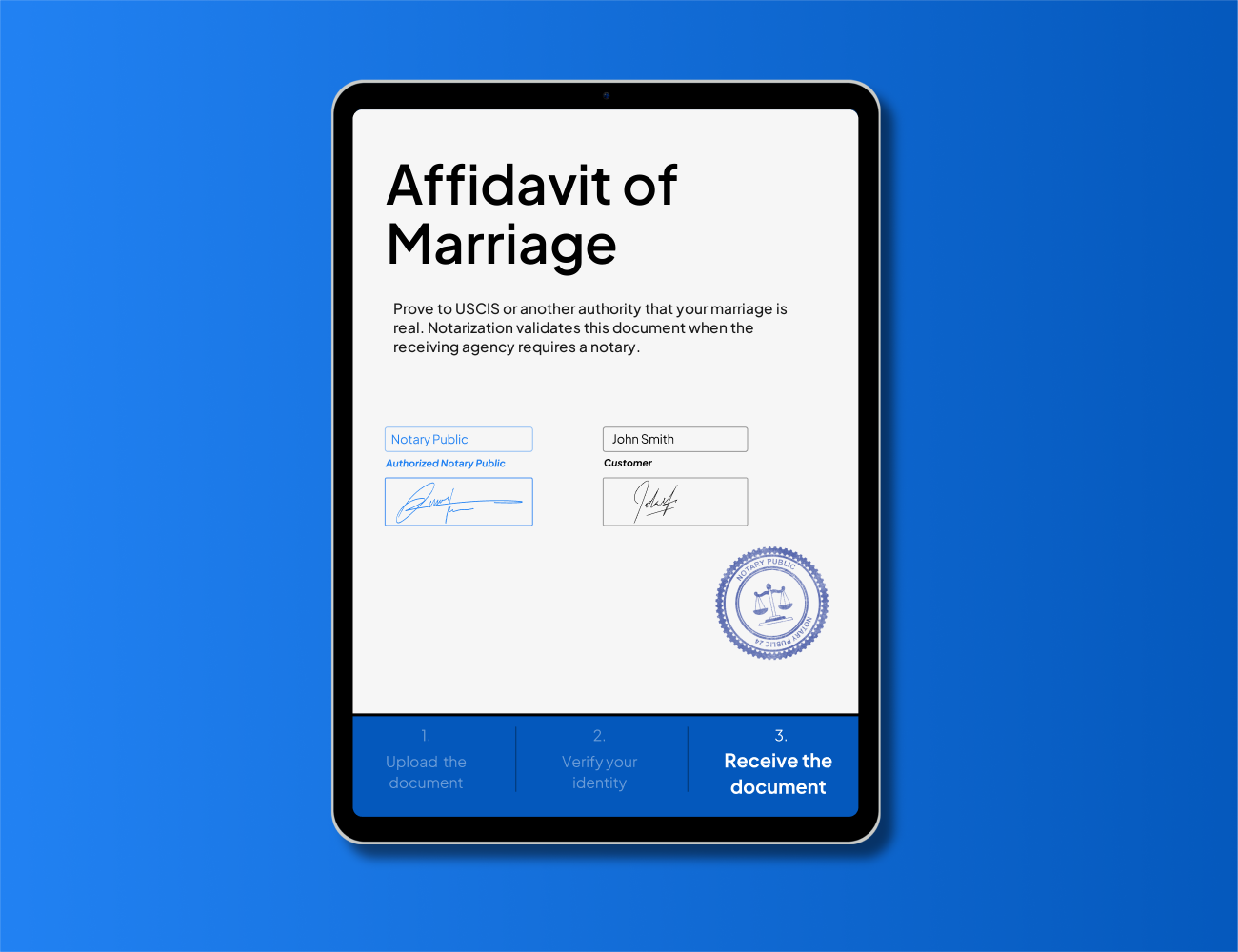
An affidavit of marriage is a written statement, sworn to or affirmed by the person signing it, that confirms a marriage exists and is genuine. It is not the same as an affidavit of support, which is a sponsor’s financial pledge.
The most common type is the affidavit of bona fide marriage, in which a friend, relative or colleague with personal knowledge of the couple describes why the marriage is real.
A second type replaces a missing marriage certificate. Under 8 CFR 103.2(b)(2), when the certificate and secondary records cannot be obtained, USCIS requires two or more affidavits from people who are not parties to the petition.
A third type records a common law marriage, such as the Declaration and Registration of Informal Marriage signed before a Texas county clerk.
USCIS has no form for the affidavit, but 8 CFR 204.2 and the Form I-130 and I-751 instructions say what it must contain.
The affiant states their full name and address, date and place of birth, and their relationship to the spouses, if any. The affidavit then gives complete information and details explaining how the affiant acquired knowledge of the marriage.
The USCIS Policy Manual asks for a statement of the facts the affiant knows, rather than conclusory statements. The affidavit must be sworn to or affirmed, and for Form I-751 the original is submitted from at least two people who have known both spouses since conditional residence was granted.
Support the affidavits with joint leases, commingled finances or children’s birth certificates. USCIS may ask the affiant to testify at the interview, so choose people who stand behind every detail.

Certifying documents should be easy. Our process only takes a few minutes, and you will receive your certified documents within 24 hours.
Upload the documents you need notarized or apostilled.
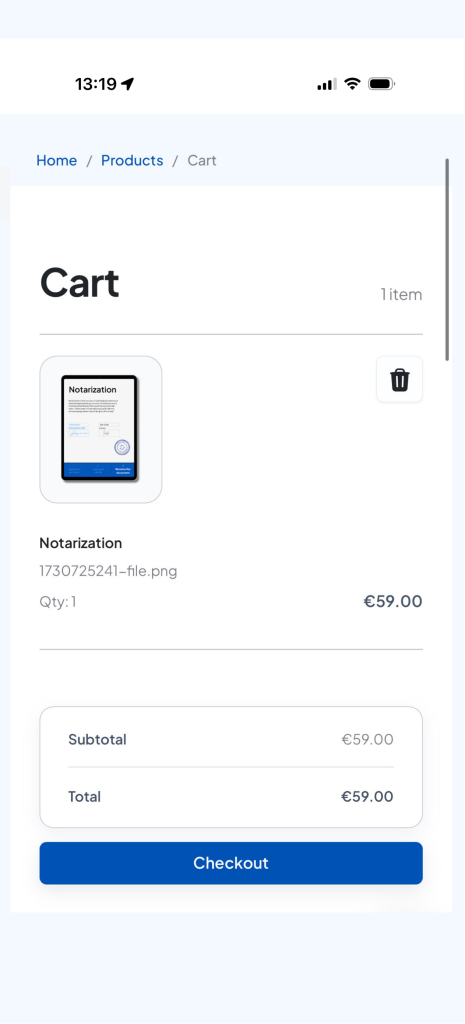
Complete the checkout process, secure and efficient.
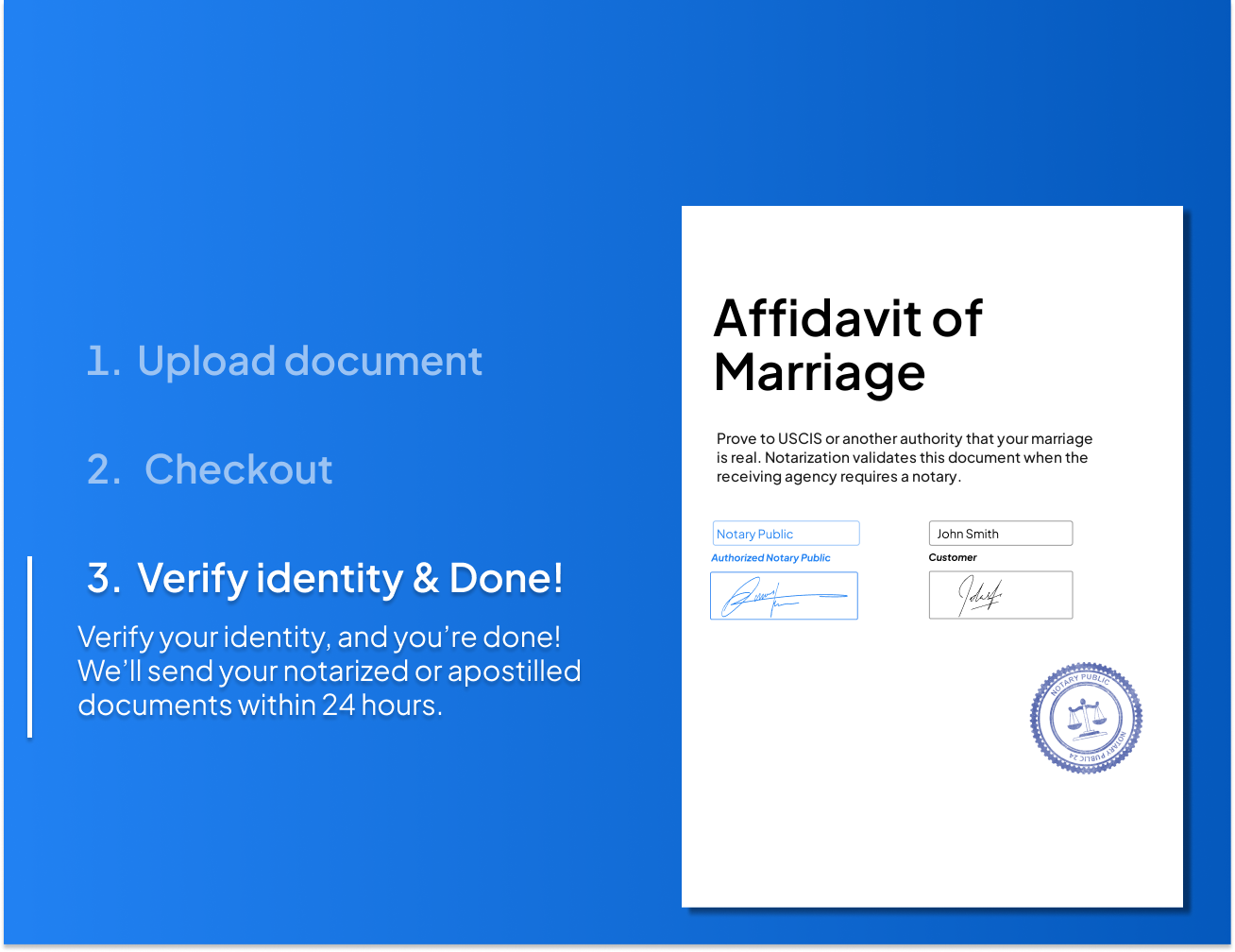
Verify your identity, and you're done! We'll send your notarized or apostilled documents within 24 hours.

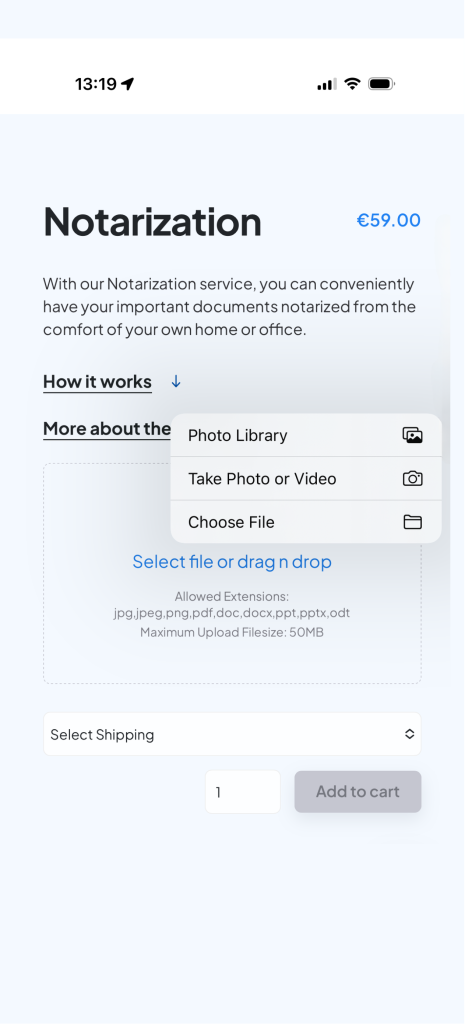

Write the affidavit in the first person and keep every statement factual, as in a character affidavit. This sample structure covers the USCIS requirements:
If the affidavit will be notarized, do not sign it before you are in front of the notary. NotaryPublic24’s Affidavit Form gives you a ready-made document to complete and notarize in the same flow.
It depends on who will receive it. USCIS requires third-party affidavits to be sworn to or affirmed, which a notary does with a jurat. Under 28 U.S.C. §1746, a federal filing can instead carry a signed and dated declaration under penalty of perjury.
A Texas Declaration of Informal Marriage is sworn before the county clerk on the state form, not before a notary.
If an insurer, employer or foreign authority asks for a notarized affidavit, the notarization removes any question about who signed it and when. Ask the receiving agency whether it accepts online notarization, then order notarization and NotaryPublic24 notarizes your signed affidavit of marriage online, like other immigration documents.

Looking for reliable Notary Public services? NotaryPublic24 provides a fully compliant notary service that adheres to all applicable laws and regulations. With our certified Notary Public professionals, we ensure efficient and secure document authentication. No matter if you are in the need of notarizing birth certificates, power of attorney, affidavits, a signature or any other documents – we will guide and help you throughout the whole process.
Uncertain about your possibilities? Contact us in a way that fits you the best, either by emailing us at “info@notarypublic24.com”, using our “Free Consulting” website form, or by chatting with one of our experts through the live chat application.
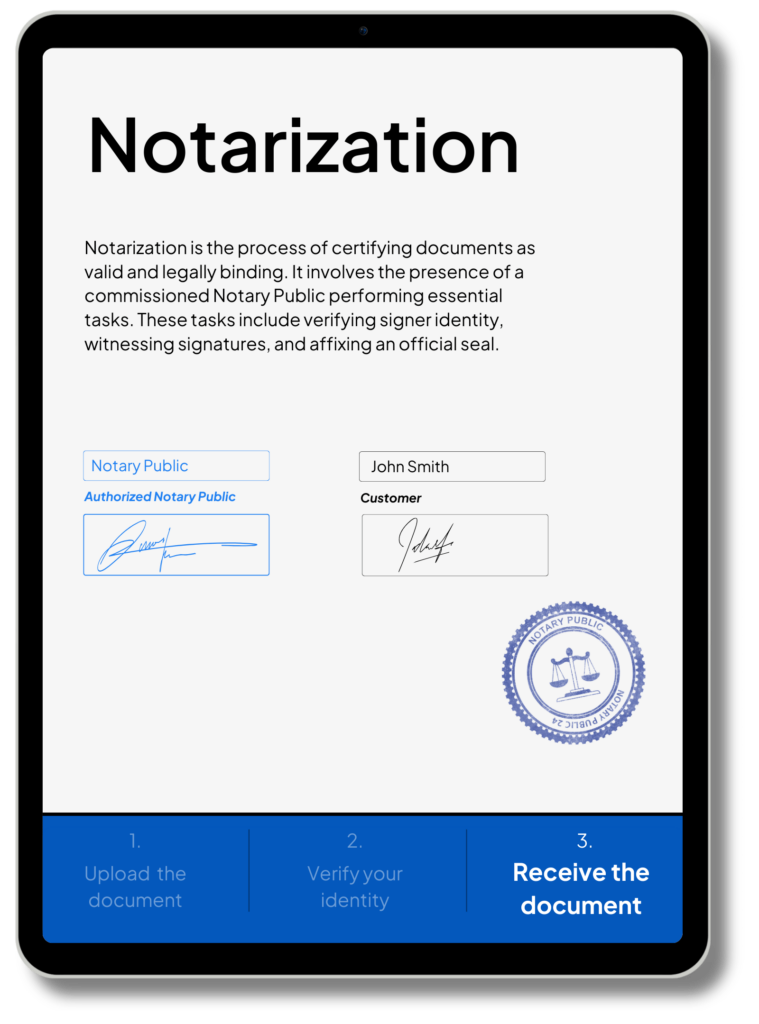
Notarization is the official process of having a document legally verified by a notary public. A notary public is an authorized official who verifies the identities of the people signing a document and confirms that the signatures are authentic. This process makes the document legally recognized and trustworthy, helping to prevent fraud and ensuring its validity for important matters like buying a house, signing a contract, or creating a will.
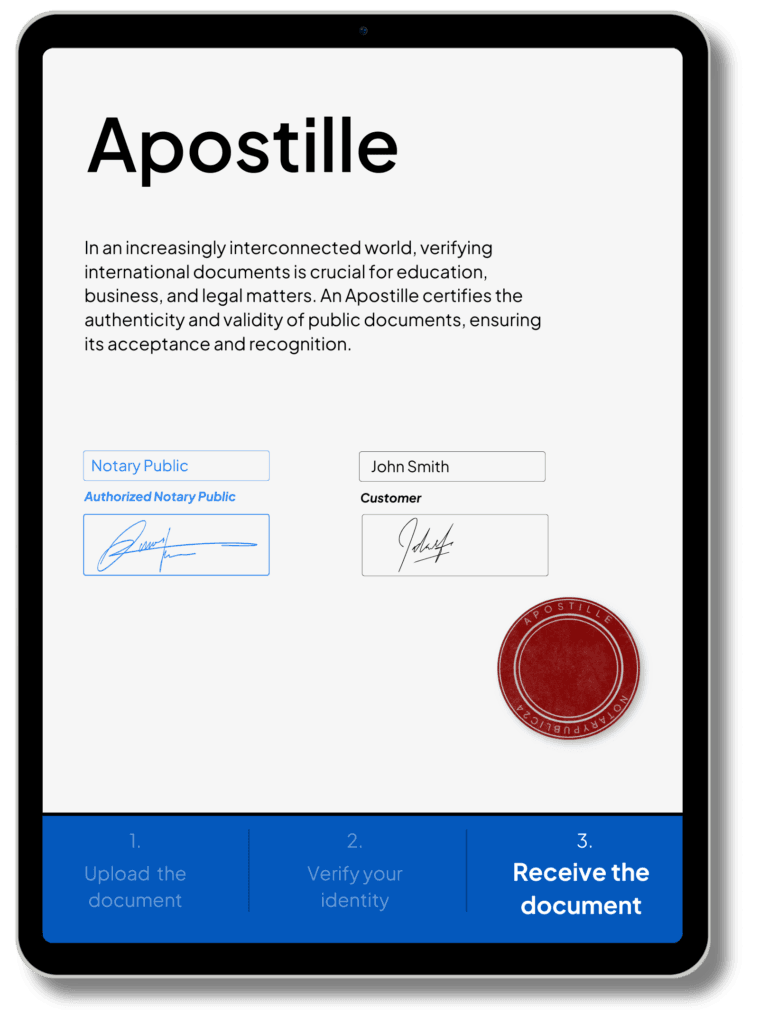
An Apostille is a certificate that makes your document valid in other countries. It's like a stamp of approval that confirms your document is real and can be used in countries that are part of the Apostille Convention. This agreement between countries makes it easier to use important documents like birth certificates and marriage licenses abroad without needing any other certifications. The Apostille verifies the signatures and seals on your document, ensuring it's accepted as genuine.
A Notary Public is an authorized official who has the right to issue certain certificates. An example is the Apostille stamp. A Notary Public is authorized by the state and applies their official seal and signature to certify the documents.
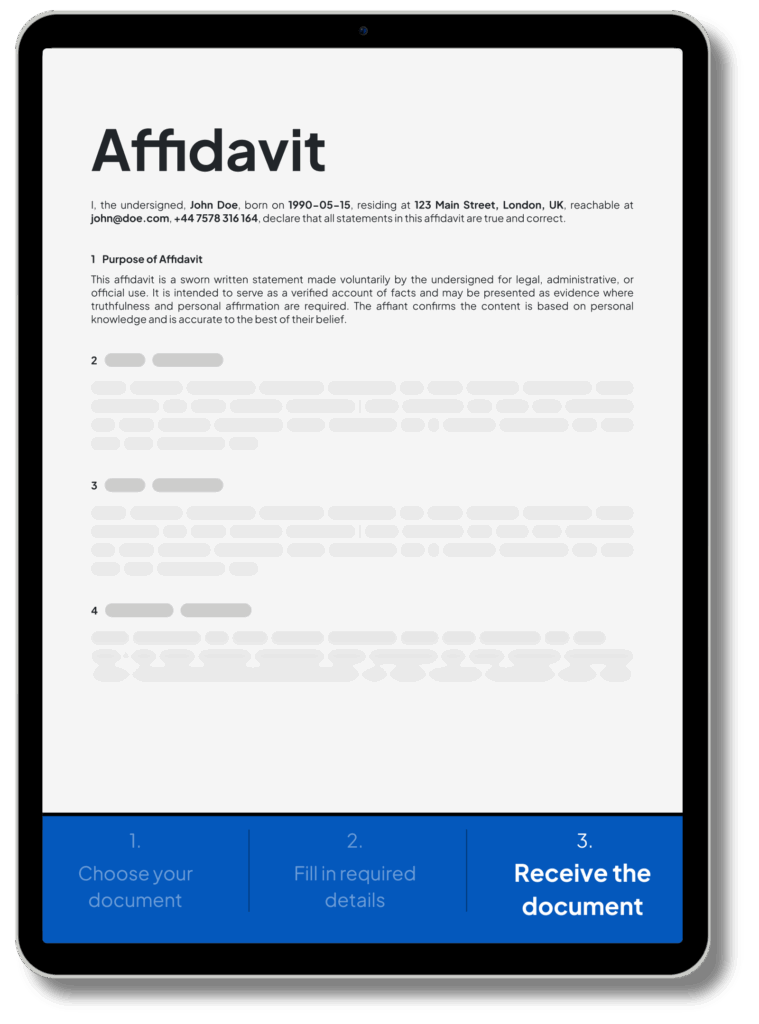
An affidavit of marriage is a written statement, sworn to or affirmed by the signer, confirming that a marriage exists and is genuine. It is signed by a third party who knows the couple or by the spouses, and is used with immigration petitions, when a marriage certificate is missing, or to record a common law marriage.
An affidavit of bona fide marriage is a sworn statement from a friend, relative or colleague with personal knowledge of a couple's relationship, confirming that the marriage is real and was not entered into for immigration purposes. USCIS lists it as evidence of a bona fide marriage with Form I-130 and Form I-751.
State your full name, address, date and place of birth, and your relationship to each spouse. Explain how you came to know the marriage and describe specific facts you have observed, with dates. End with a statement that you believe the marriage is genuine, then sign before a notary or under penalty of perjury.
USCIS requires third-party affidavits to be sworn to or affirmed, which a notary's jurat satisfies; a signed declaration under penalty of perjury under 28 U.S.C. §1746 is the federal alternative. Other recipients, such as insurers or foreign authorities, may require a notary. NotaryPublic24 notarizes your affidavit of marriage online.
Form I-130 asks for one or more types of bona fide marriage evidence, and affidavits are one option. If you include affidavits with Form I-751, they must come from at least two people who have known both spouses since conditional residence was granted. If a marriage certificate cannot be obtained, 8 CFR 103.2(b)(2) requires two or more affidavits.
Yes, you can notarize your documents online. With our online service, simply upload your documents, complete the checkout process, and verify your identity digitally. It only takes a few minutes! You'll receive your notarized documents within 24 hours with a sealed notary stamp.
No, you do not have to be physically present to notarize online. However, you need to verify your identity with a government issued ID.



Do you want a free consultation about your case, completely without obligation? Please fill in the form below and we will contact you within a few hours.