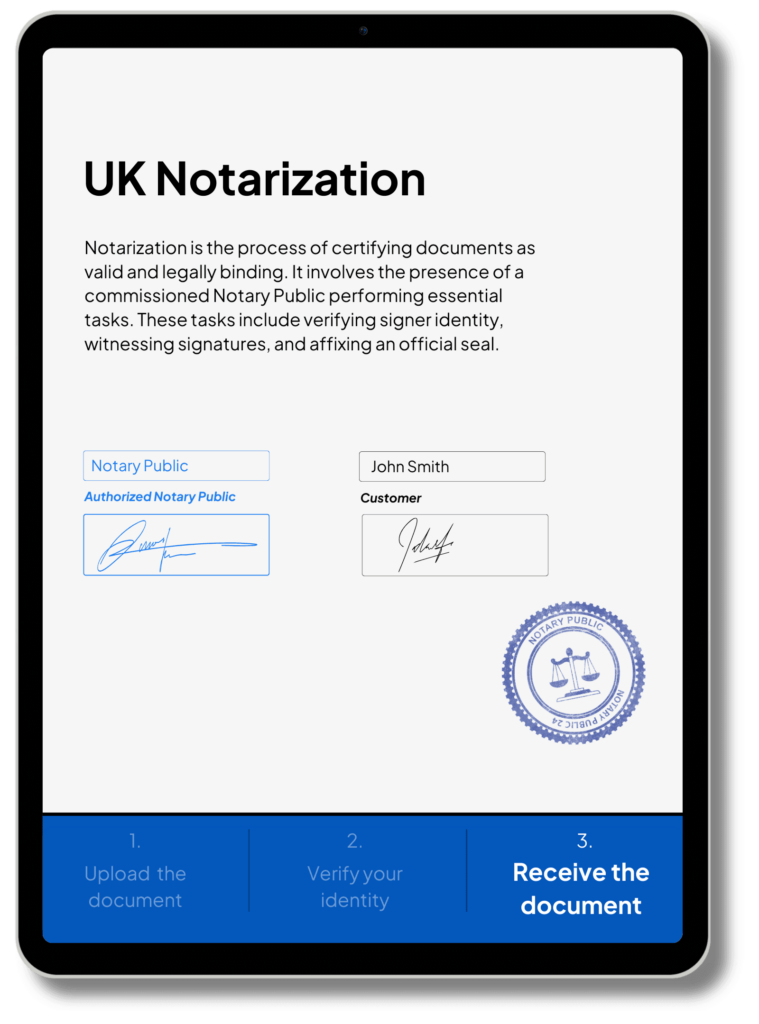
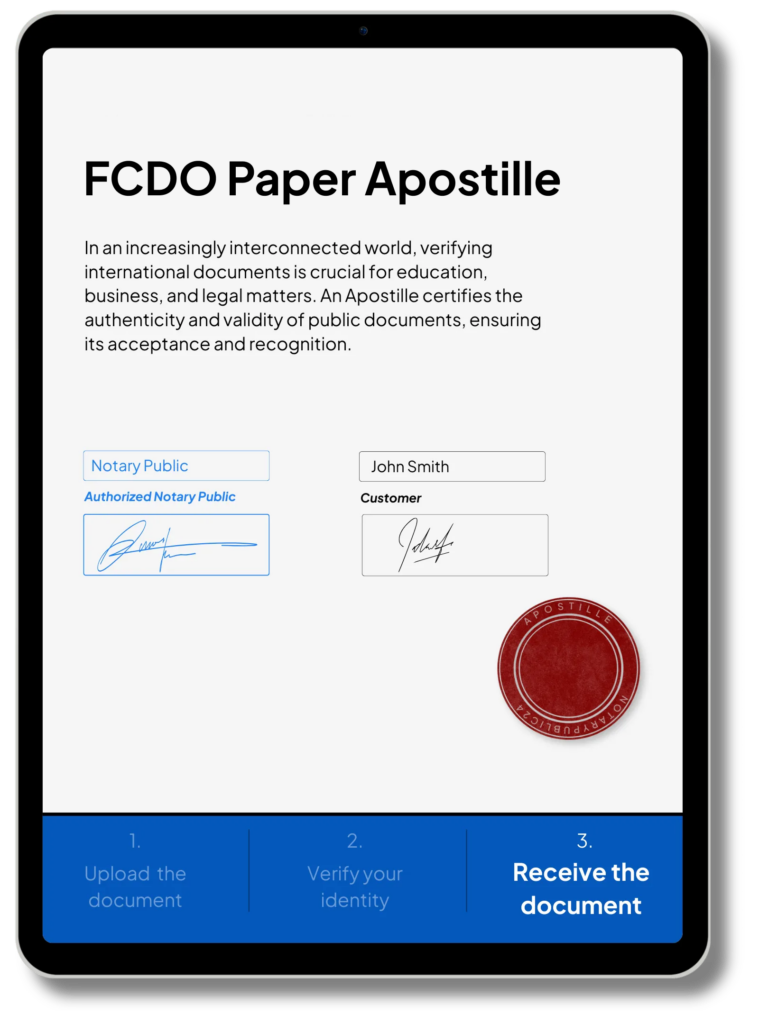
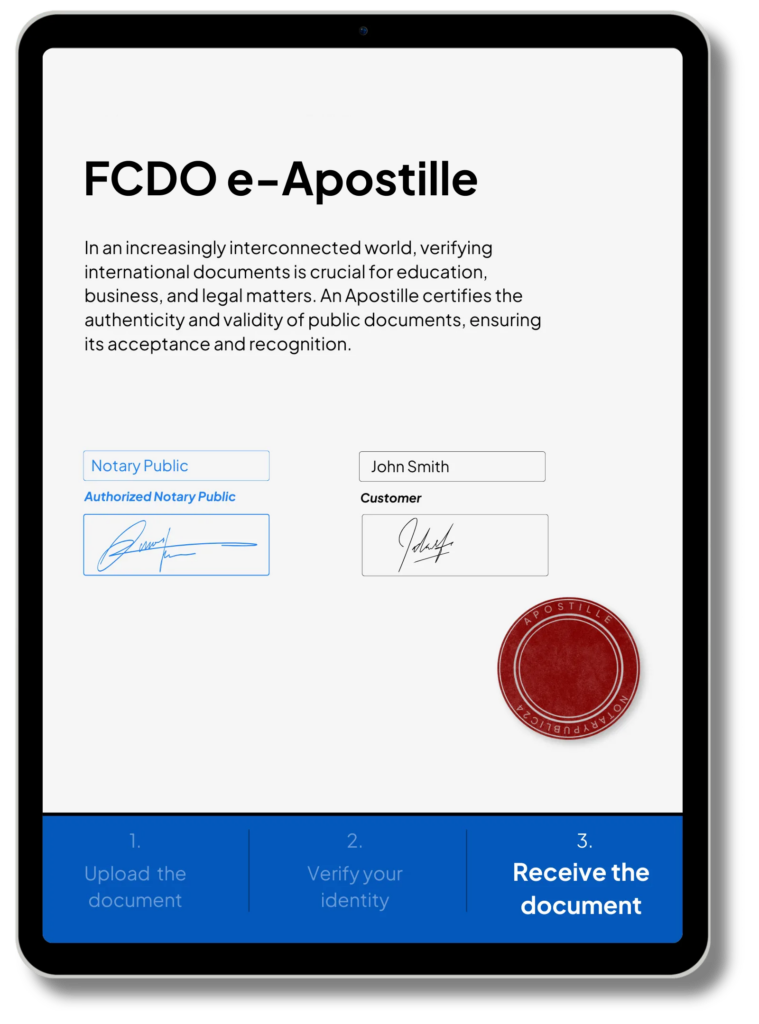
A decree absolute is the court order that ends a marriage in England and Wales. For divorce applications issued on or after 6 April 2022 the same order is called a final order. You need it to remarry or to prove that you are divorced, and foreign authorities usually ask for a notarized copy with an Apostille. NotaryPublic24 handles both online, with delivery within 24 hours.

A decree absolute is the final court order in a divorce in England and Wales. It confirms that the marriage has been dissolved: from the date it is granted you are no longer married and are free to marry again. It follows the decree nisi, the earlier order in which the court confirms that there is no reason why the divorce cannot go ahead.
Since 6 April 2022 the two orders are called the conditional order and the final order. Which name appears on your document depends on when the court issued the divorce application, not on when the divorce was completed. A final order from 2024 and a decree absolute from 2015 have exactly the same legal effect.
Our guide to the decree nisi and conditional order explains the timeline between the two orders.
A decree absolute or final order is a court order, not a certificate from a register office. England and Wales do not issue a separate divorce certificate; the order itself is the proof that the marriage has ended. It names the court and the case number, identifies both parties and states that the marriage has been dissolved, with the date the order was made. A copy issued by the court carries the court’s seal.
The court sends a copy to each party, or to their solicitors if they are represented. Keep it safe: you will be asked for it when you remarry, when you apply for a visa or residence permit abroad, and in any financial or property matter that depends on your marital status.

Certifying documents should be easy. Our process only takes a few minutes, and you will receive your certified documents within 24 hours.
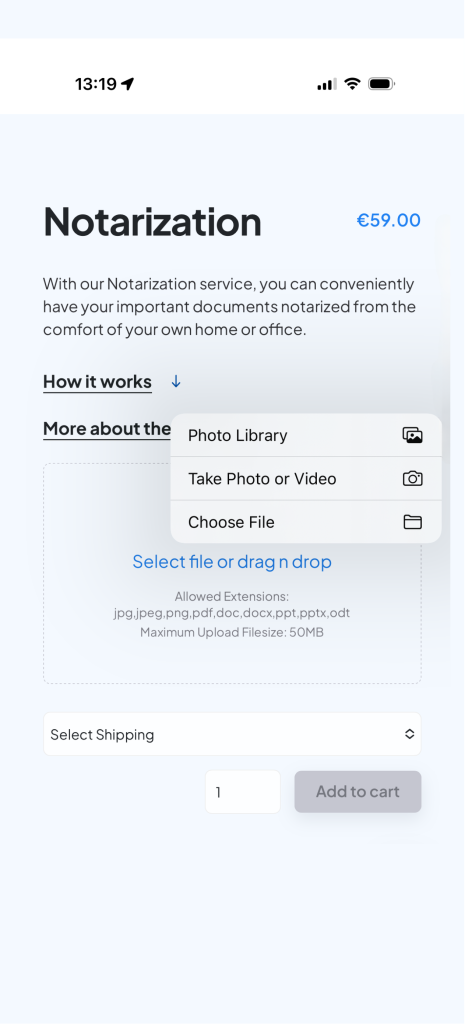
Upload the documents you need notarized or apostilled.
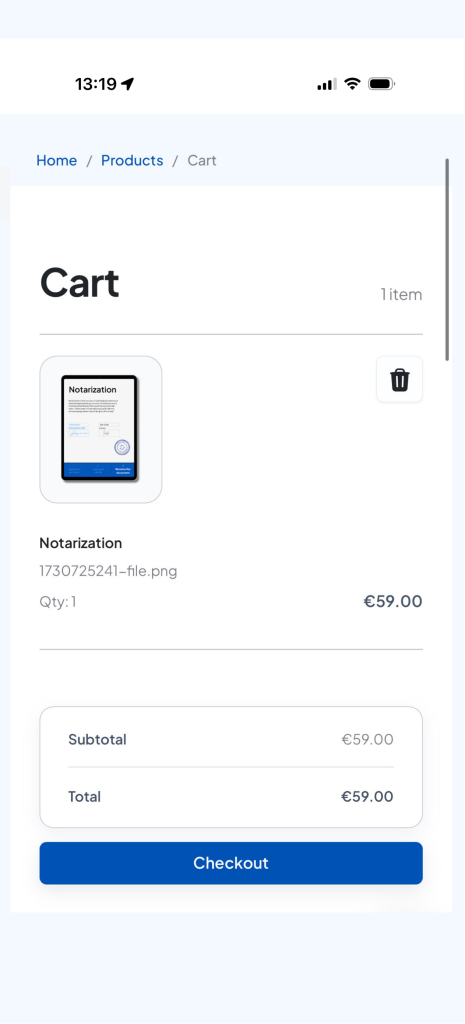
Complete the checkout process, secure and efficient.
Verify your identity, and you're done! We'll send your notarized or apostilled documents within 24 hours.



If you have lost the original, apply to the court for a copy. With a 16-digit case number you apply to the Divorce Service Centre; with any other case number you apply to the court that handled the divorce. The fee is £14 and the copy is sent within a week of payment.
If you do not know the case number, the court searches its records: five years either side of the date you give, or the last ten years if you cannot give one. The fee is £89 for each ten-year period, and form D440 is used when you do not know which court handled the case.
Scotland issues a divorce extract and Northern Ireland its own decree absolute or final conditional order, each with a separate procedure. Full details are on GOV.UK.
In the UK a decree absolute is accepted as it is. Abroad, a registrar, an immigration office or a bank usually wants proof that the document is genuine. For countries in the Hague Apostille Convention that proof is an Apostille from the Foreign, Commonwealth and Development Office (FCDO).
The FCDO legalises a court order carrying the wet-ink court seal, or a copy certified by a UK notary. NotaryPublic24 uses the second route so that you keep your original: upload a scan, complete the checkout and verify your identity online. A UK Notary Public certifies the copy and we obtain the Apostille, on paper or as an e-Apostille where the receiving authority accepts it.
Start with UK Notarization, or read about the UK Apostille first if the document is going abroad.


Looking for reliable Notary Public services? NotaryPublic24 provides a fully compliant notary service that adheres to all applicable laws and regulations. With our certified Notary Public professionals, we ensure efficient and secure document authentication.
No matter if you are in the need of notarizing birth certificates, power of attorney, affidavits, a signature or any other documents – we will guide and help you throughout the whole process.
Uncertain about your possibilities? Contact us in a way that fits you the best, either by emailing us at “info@notarypublic24.com”, using our “Free Consulting” website form, or by chatting with one of our experts through the live chat application.
Notarization is the official process of having a document legally verified by a notary public. A notary public is an authorized official who verifies the identities of the people signing a document and confirms that the signatures are authentic. This process makes the document legally recognized and trustworthy, helping to prevent fraud and ensuring its validity for important matters like buying a house, signing a contract, or creating a will.
An Apostille is a certificate that makes your document valid in other countries. It's like a stamp of approval that confirms your document is real and can be used in countries that are part of the Apostille Convention. This agreement between countries makes it easier to use important documents like birth certificates and marriage licenses abroad without needing any other certifications. The Apostille verifies the signatures and seals on your document, ensuring it's accepted as genuine.
A Notary Public is an authorized official who has the right to issue certain certificates. An example is the Apostille stamp. A Notary Public is authorized by the state and applies their official seal and signature to certify the documents.
Yes. The final order replaced the decree absolute for divorce applications issued on or after 6 April 2022, when the Divorce, Dissolution and Separation Act 2020 came into force. Both end the marriage and both are accepted as proof that you are divorced.
England and Wales do not issue a divorce certificate; the decree absolute or final order is the document. The court sends it to both parties when the divorce is finalised. If you have lost it, apply to the court for a copy: £14 if you know the case number, or a records search fee if you do not.
No. A decree nisi or conditional order confirms that the court sees no reason why you cannot divorce, but the marriage continues until the decree absolute or final order is granted. You cannot remarry until then.
Six weeks and one day, 43 days, after the date of the decree nisi or conditional order, and within 12 months unless you explain the delay to the court. If you want a binding financial arrangement, apply to the court for it before you apply for the final order.
Usually yes, if the country is in the Hague Apostille Convention. Ask the registrar or embassy whether they want the original court-sealed order legalised or a notarized copy, and whether an e-Apostille is accepted. NotaryPublic24 notarizes the copy and obtains the FCDO Apostille online.
Yes, you can notarize your documents online. With our online service, simply upload your documents, complete the checkout process, and verify your identity digitally. It only takes a few minutes! You'll receive your notarized documents within 24 hours with a sealed notary stamp.
No, you do not have to be physically present to notarize online. However, you need to verify your identity with a government issued ID.



Do you want a free consultation about your case, completely without obligation? Please fill in the form below and we will contact you within a few hours.